Archive
The Continuing Saga of Freewheeling Hubs that have Gone to the Dogs 1
The original Nissan freewheeling hubs on my Patrol were replaced a few years ago when they became a bit worn (fairly common). I replaced them with AVM hubs on the basis that the OEM hubs were 4 times the price of the AVM units. My Patrol is a bit like Grandpa’s axe, you know the one that has been the best axe grandpa ever had, and he has had it 60 years. It has been a great axe – sure it has had three heads and five handles- but bloody hell it has been a great axe.
Anyway I digress- I’ve never been very happy with the AVM hubs, they seemed to suffer quite a bit of wear, particularly the left one, and those silly little torx screws seize and are therefore difficult to service on the Canning Stock Route or some other track where invariably they or the wheel bearings seem to require service. Getting the hub off when the screws sieze is difficult as the bolts require allen keys, and the caps, held on by those silly screws are in the way and this means the allen keys cannot be inserted squarely into the bolt head so must be round ended keys.
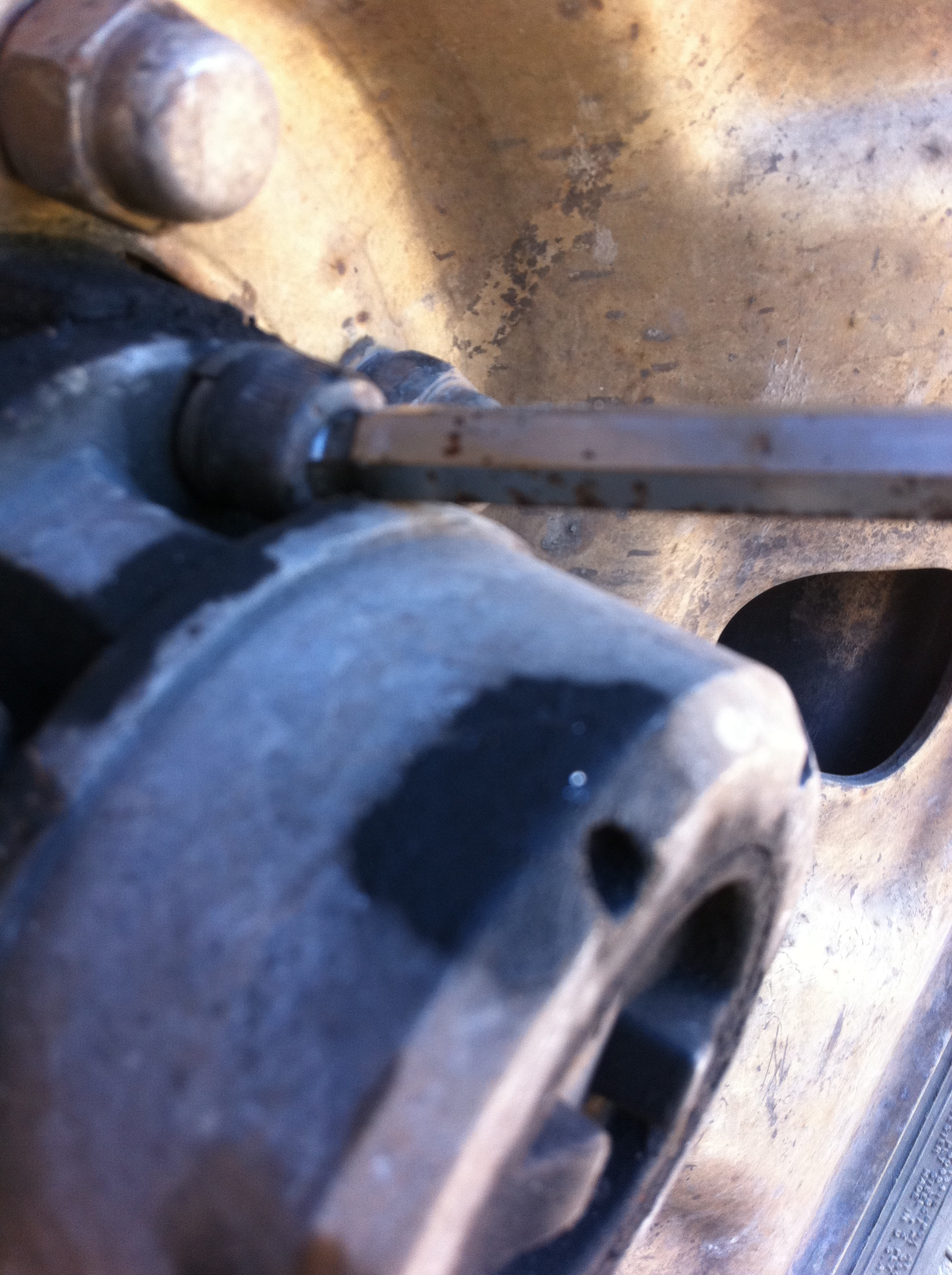
Difficult access when the torx screws won't come out
All of this is too complicated for a vehicle that has the toughest life and may require service in remote areas. My Patrol requires a great deal of maintenance to the wheel bearings, running as it does full time in rough, dusty and sometime very wet terrain. Running at full weight all the time on this terrain means that I find 15,000k is about as far as I can go without a repack of the wheel bearings- so those hubs had to go.
I found the OEM automatic hubs, such as are fitted to the wagon, for sale on ebay for a reasonable price, so I thought I’d give them a go. I’ve had them before on my wagons, and as long as I manually locked them in the real tough stuff they seemed to be OK. The beauty of them is they are very easy to remove.
After purchasing these hubs, I began the task of fitting them. I had planned to fit new wheel bearings and new CV shafts at the same time but elected to fit the hubs first and give them a try before I set to with the major work. I fitted them and found the left one a tight fit so investigated further. I removed both hubs and inspected the stub axle assemblies to see why one hub was not fitting well, thinking it would give me clues to the wear problem. It turns out that one stub axle is completely different to the other. It is a long story that I’ll save for another day, but a few years back, a hastily purchased and fitted stub axle delivered by my lovely wife to me on the side of a track in the middle of nowhere, may well have been for a GQ Patrol not a GU.
The GU hubs have four little notches in the end of the stub axle, the GQ has none. These notches align with four tabs on the automatic hubs, they cannot be fitted properly without them. Additionally I found that my axles should have, but never have had (since I’ve owned the car) circlips fitted to the CV shafts in the outboard position for manual hubs, and to the inboard position for automatic hubs, without these, the CV shaft can move outwards, wearing the hub.
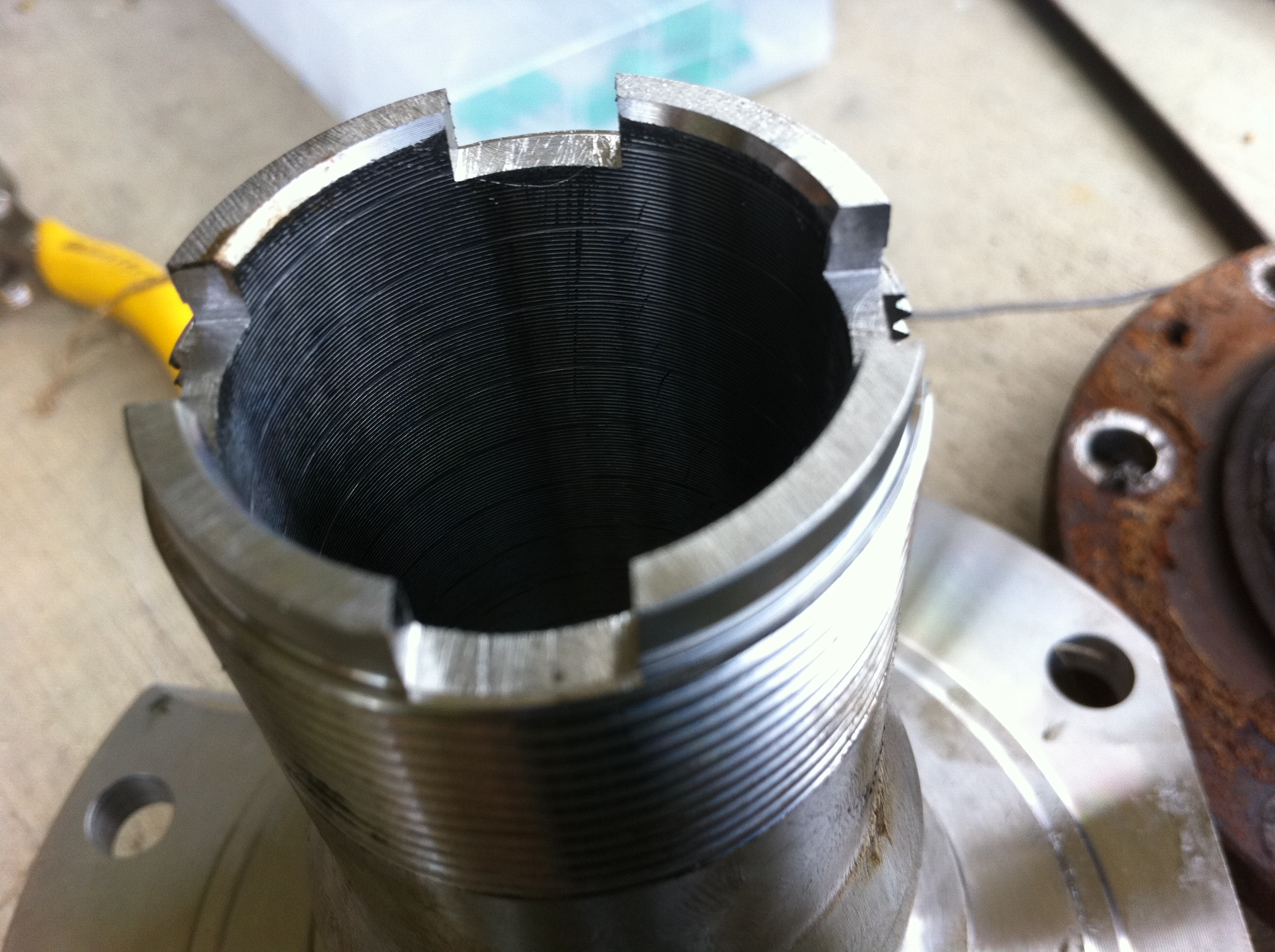
GU Hub with four notches
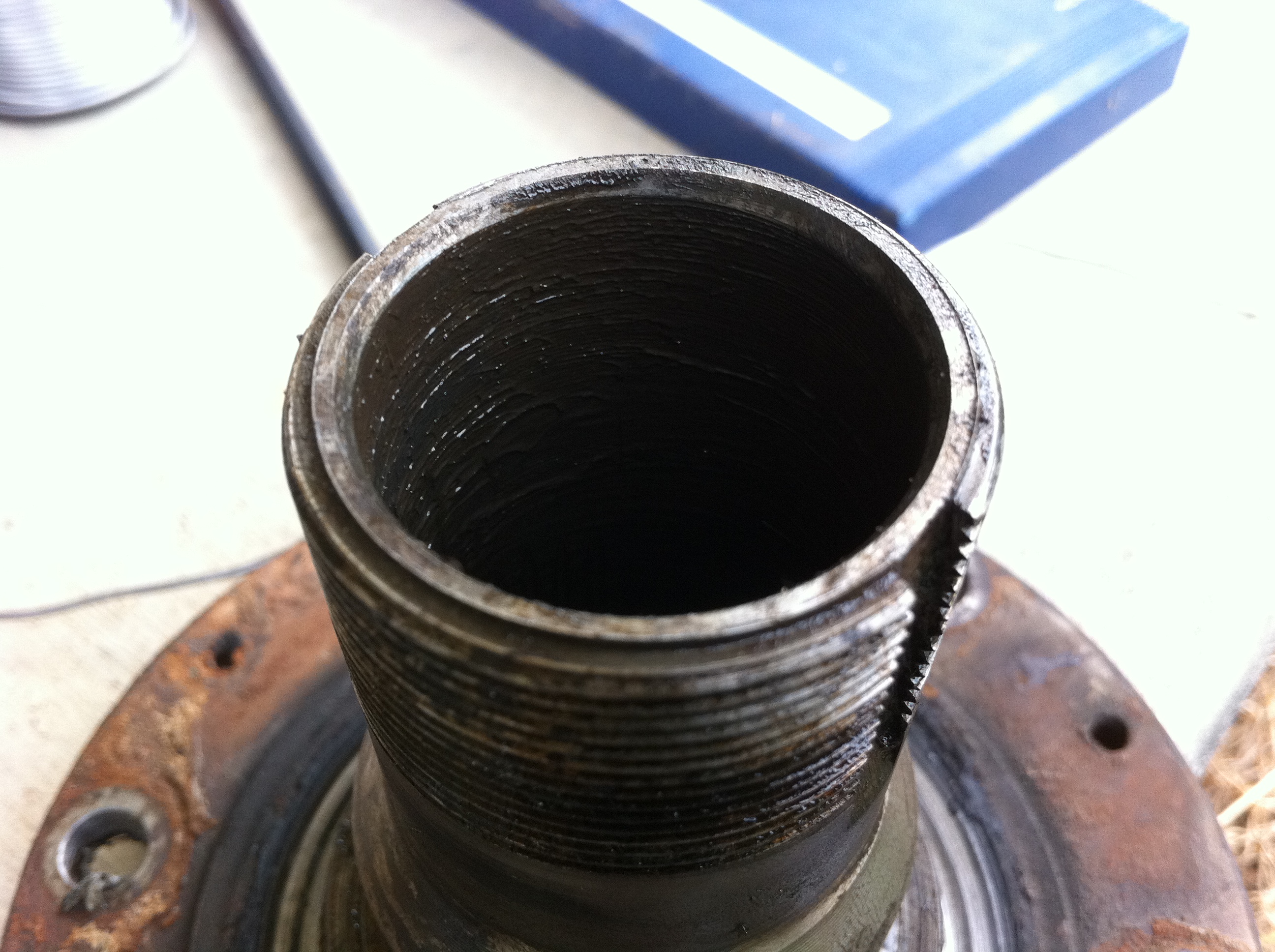
GQ Hub with no notches
Olsen’s 4WD Tours and Training
www.djolsen.com
Canning Stock Route Adventure 2012
Nissan Patrol Bonnet Catch Issues
The bonnet catch on the Patrols is known to wear on rough corrugated roads, such as my Patrol sees everyday. The issue was brought to my attention one day while driving along the Tanami road when my bonnet started bouncing a great deal more than usual. In Kununurra I had it looked at and found the hoop of metal on the bonnet itself had worn almost all the way through. it seems when the catch gets worn, the movement creates accelerated wear of the loop.
Today I purchased a new catch mechanism, and on comparing it with the old, I was astounded to see how much wear there was. I’d recommend all Patrol owners check their bonnet catches before the bonnet wraps around the cabin at the worst possible time. A carefull touch with the welder fixes the loop.
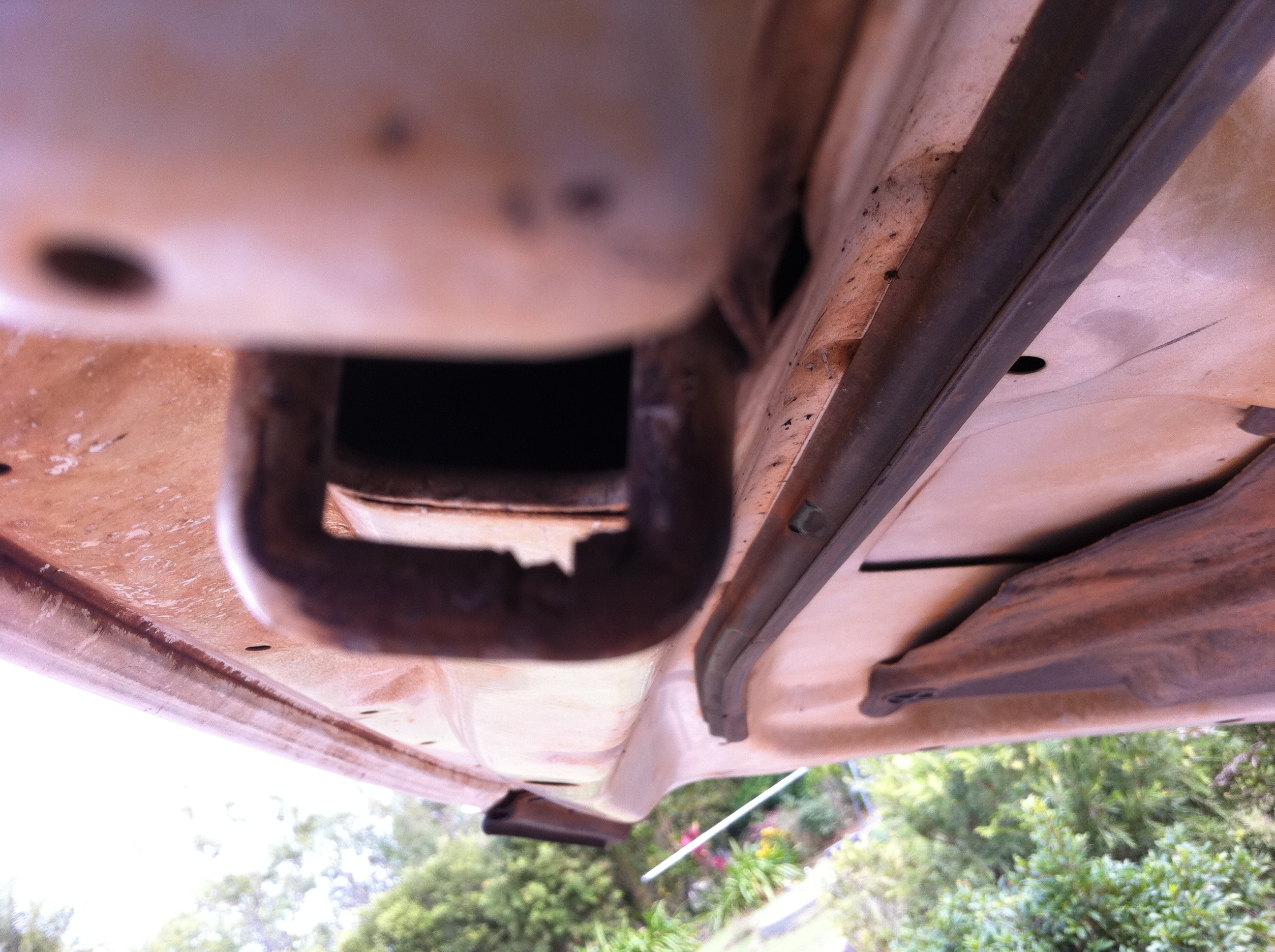
A worn bonnet catch can cause further wear that eventually can be disastrous
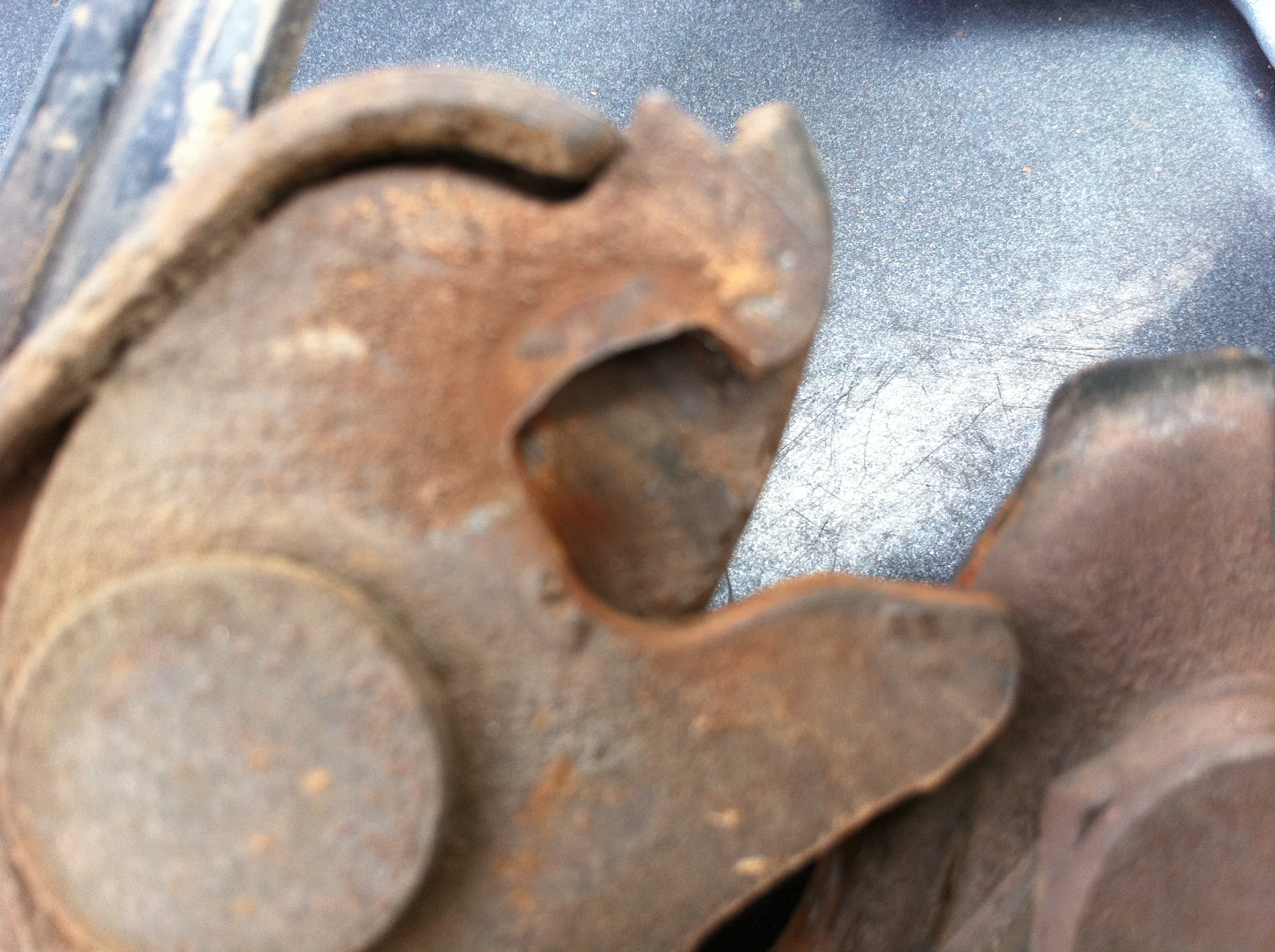
Campare the old catch.......
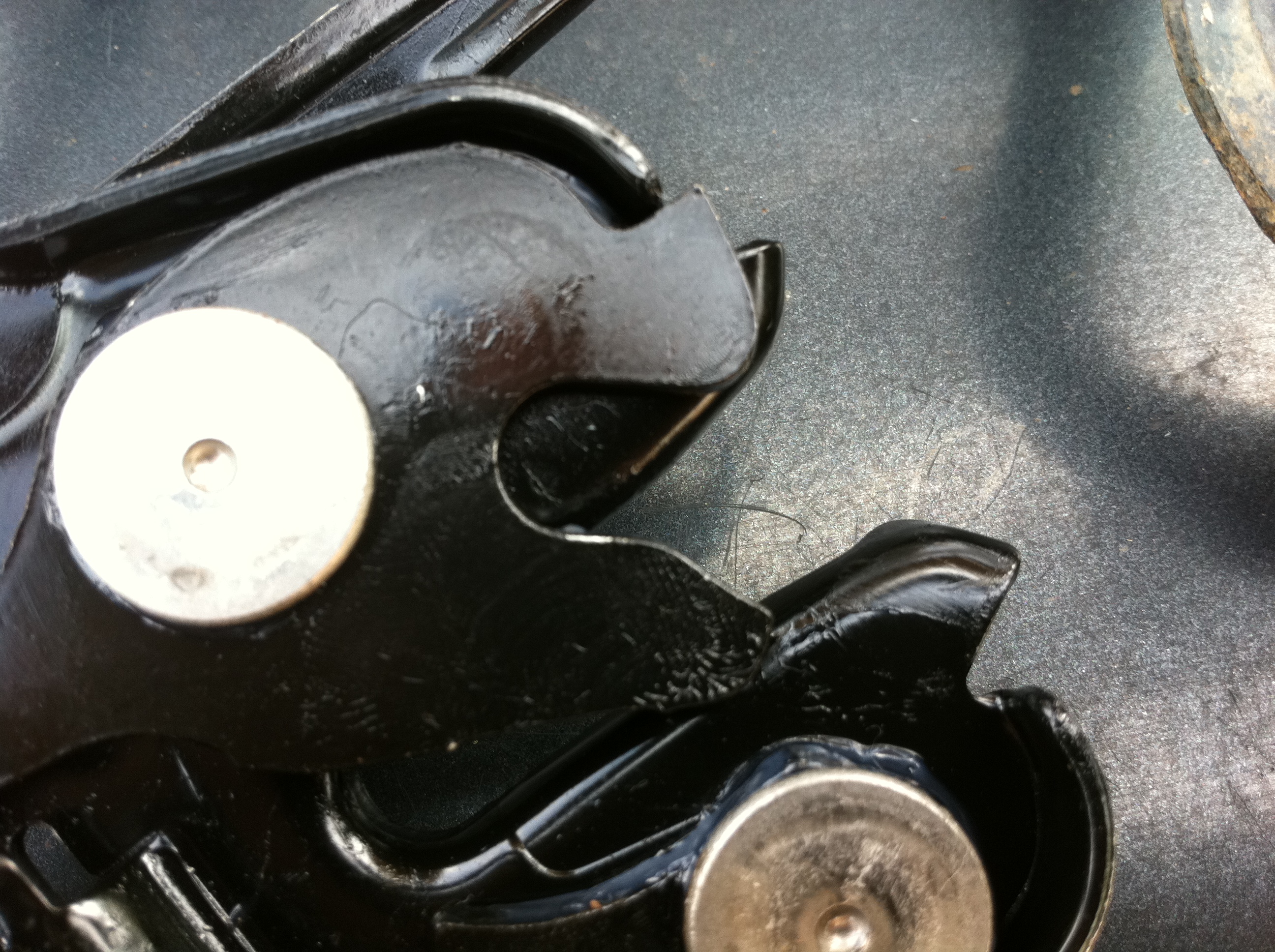
...with the new catch
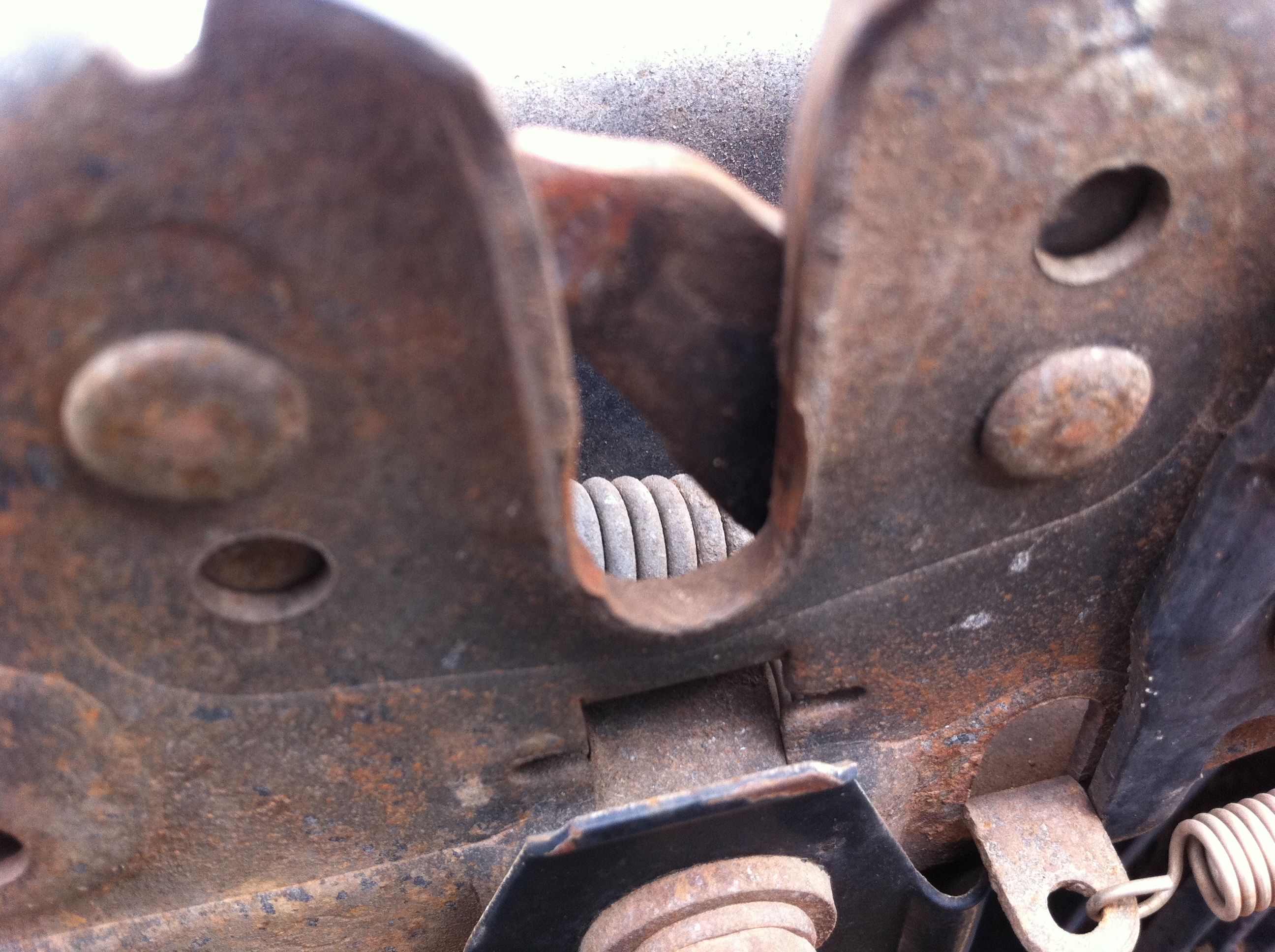
More wear


